CHOSEN EVERY DAY BY THOUSANDS OF CUSTOMERS WORLDWIDE:
 Fast Delivery
with Anti-Breakage Packaging
 Chosen and Guaranteed by Professional
Tasters
 24/7 Customer Service

Our blog
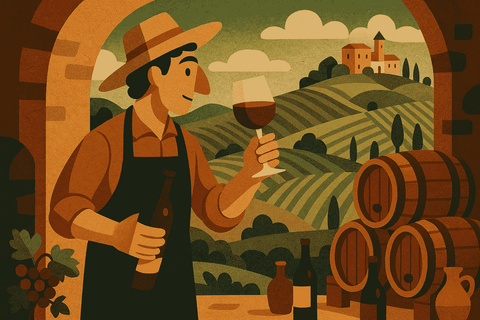
Roero is more than Arneis. Across the Tanaro from Barolo, this DOCG unites two siblings: Roero Arneis, bright and floral, and Roero Rosso, Nebbiolo shaped by sand into elegance and finesse. Once nicknamed the little rascal, Arneis nearly vanished in the 1960s before its revival made it the white icon of Roero. Today it even appears as Riserva or rare sparkling versions. Roero Rosso, meanwhile, thrives when it embraces freshness and everyday drinkability, standing apart from the heavier styles of Barolo. Two faces, one terroir.
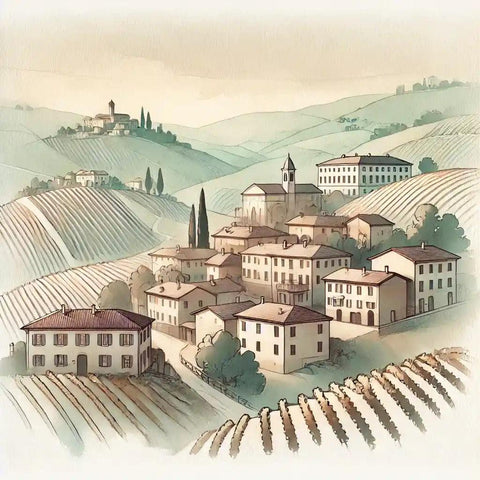
requirements (minimum of 38 months, with 18 in oak), and labor-intensive viticulture. Nebbiolo grapes, sensitive to terroir, thrive in the region’s cool, foggy microclimates. Barolo’s intense tannins and acidity make it best paired with rich foods like steak, game, and truffle dishes, though it’s generally not recommended to drink without food. Barolo is best aged for at least 10–20 years, with some vintages benefiting from 30–40 years of aging. The blog also compares Barolo to Barbaresco, a similar wine from the same region, but with a shorter aging requirement and a lighter, more approachable style. In conclusion, Barolo’s complexity, limited production, and global demand justify its high price, and pairing it with hearty dishes further enhances its qualities. Barbaresco offers a softer alternative for earlier consumption.
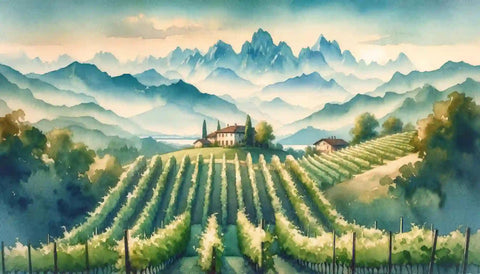
Gattinara and Ghemme wines, from Piedmont, are distinguished by their history, terroir, and use of the Nebbiolo grape. Gattinara requires longer aging and a higher percentage of Nebbiolo, resulting in robust wines with high aging potential. Ghemme offers more accessible wines, with shorter maceration periods and a balance between structure and fruitiness. Both reflect the synergy between nature and tradition, enriching Piedmont's viticultural diversity.