Only 1 left
Sale price ¥14,500 Regular price¥15,500you save ¥1,000
CHOSEN EVERY DAY BY THOUSANDS OF CUSTOMERS WORLDWIDE:
Delivery Fast Delivery
with Anti-Breakage Packaging
Wine Chosen and Guaranteed by Professional
Tasters
Support 24/7 Customer Service

Here is the smooth, flowing English version of the updated text, perfect for a wine list, social media, or a presentation:

Collio in Four Glasses – A Sensory Journey Through Whites and Reds

A refined journey through the aromas and nuances of the Collio region: four exceptional glasses that beautifully capture the elegance and richness of the Friulian territory.

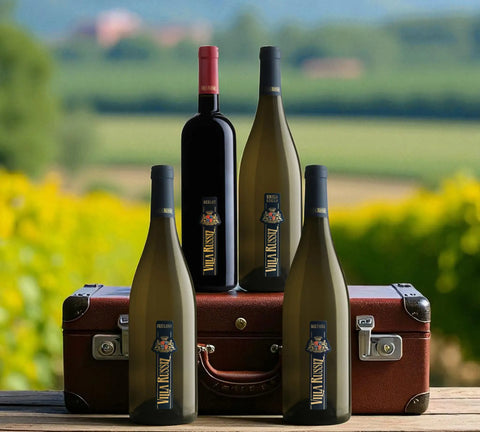
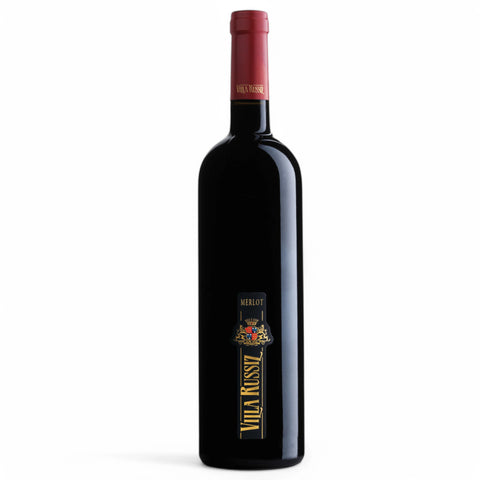
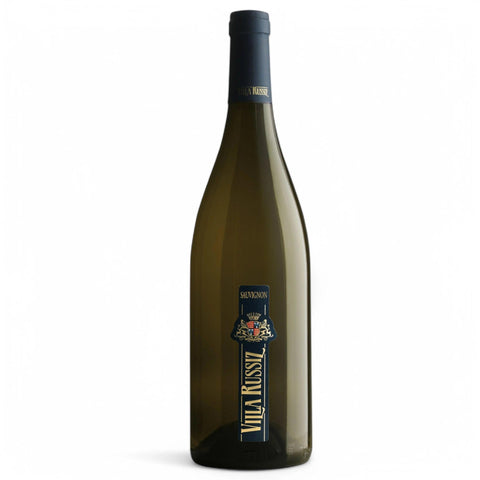
The journey begins with Sauvignon, which instantly captivates with its aromatic exuberance, blending fresh notes of sage and tomato leaf with vibrant citrus undertones. Next comes Friulano, the true soul of the local terroir, offering a full and savory palate with its signature, fascinating almond finish. Malvasia steps up the intensity with a seductive, complex bouquet that ranges from ripe apricot and candied citrus to warm oriental spices. Finally, Merlot beautifully changes the pace, closing the experience with a smooth, velvety depth rich in ripe plum, cocoa, and black pepper.

Four emblematic labels, masterfully crafted to respect the true character of each grape. It is the perfect tasting experience for an evening among passionate wine lovers, or as a guided introduction to the very best of Collio—moving seamlessly from the vibrant freshness of the whites to the warm embrace of the red.

In this box, you will receive:

- Sauvignon Collio DOC    Cantina Villa Russiz            x   1 bottle 0,75

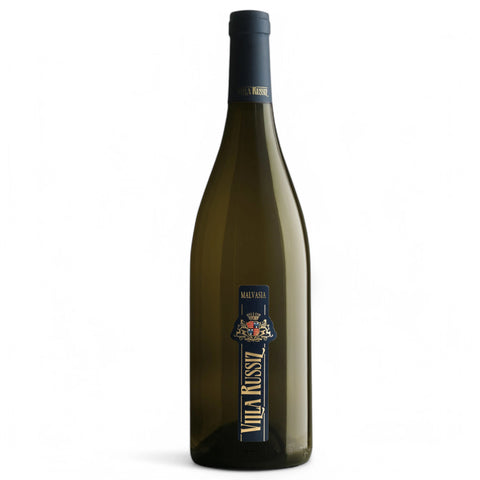
- Malvasia Collio DOC       Cantina Villa Russiz                      x   1 bottle 0,75

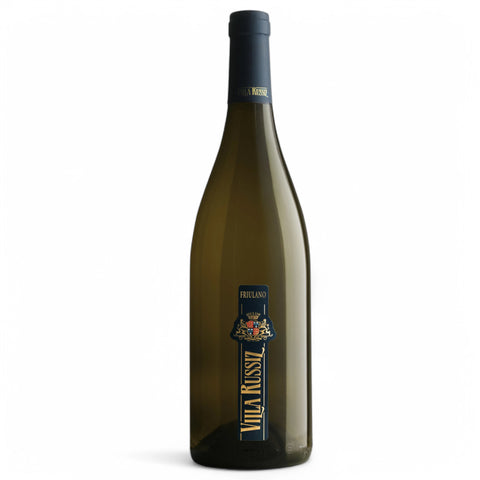
- Friulano Collio DOC               Cantina Villa Russiz                  x   1 bottle 0,75

- Merlot Collio DOC         Cantina Villa Russiz                      x   1 bottle 0,75


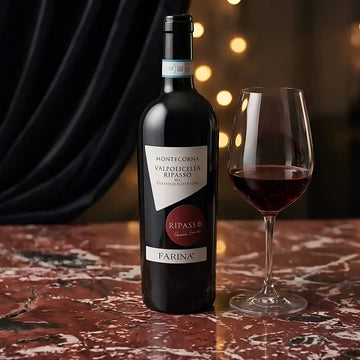
For illustrative purposes only: any box/packaging shown in the photo is not included. Only the listed products are included.

Sale price ¥14,500 Regular price¥15,500
Tasting Box | Discover Friuli with Villa Russiz
¥14,500¥15,500
Tasting Box | Discover Friuli with Villa Russiz
Your tasting box

One selection, many stories to savour

Every box is an invitation to explore. Discover the selected bottles in the description and choose your next tasting journey.

Discover the bottles Explore all tasting boxes

Scopri il viaggio di ogni Bottiglia! La nostra garanzia di QUALITA'

1. ACQUISTO DIRETTO IN CANTINA

Organizziamo i trasporti in refrigerato o condizioni ottimali +2/16°C.

2. CONSERVAZIONE A 14/16°C

Conservazione ottimale di temperatura e umidità sia in Magazzino che in Enoteca

3. PREPARAZIONE ORDINE 24h CONTROLLO QUALITA'

Prepazione ordine in 24h lavorative, ogni bottiglia è controllata ed è applicato il sigillo qualità.

4. SPEDIZIONE SICURA CON CORRIERE EXPRESS

Usiamo imballi riciclabili e sicuri al 100% FSC e ogni spedizione è ad impronta Co2 +
Explore by characteristics

Perché scegliere noi?

Selezioniamo vino di professione per importatori internazionali da oltre 30 anni.

Compriamo solamente dalle cantine e conserviamo ogni vino a temperatura controllata.

Selezioniamo solo prodotti di qualità da produttori con vigneti e non lavoriamo con imbottigliatori. Filiera corta e sostenibile.

Hai bisogno di aiuto?

Siamo sempre a disposizione! Scrivici su Whatsapp tramite la chat del sito oppure mandaci una e-mail!

Siamo anche disponibili al telefono durante gli orari di apertura dell'Enoteca.

+39 0174 320173

Frequently asked questions

COME FUNZIONA LA NOSTRA SPEDIZIONE

Spediamo ogni pacco tramite corrieri specializzati utilizzando imballi antirottura Nackpack brevettati e certificati per consegnare i vini in velocità e sicurezza.

Ecco la nostra Policy Spedizione

Ogni ordine viene trattato con la massima cura:

Imballaggio professionale

Utilizziamo confezioni antiurto Nackpack certificate, progettate appositamente per il trasporto del vino.

Protezione aggiuntiva

Ogni bottiglia è avvolta con velina protettiva e inserita in un imballo antirottura.

Controllo e sigillo

Prima della spedizione, ogni bottiglia viene controllata e chiusa con il nostro sigillo di garanzia.

Tempi rapidi

Il pacco viene affidato al corriere nel primo giorno di ritiro disponibile.

Monitoraggio costante della Spedizione

Segui il tracking per conoscere lo stato della consegna. Anche noi monitoriamo giornalmente gli ordini in transito.

Esigenze speciali

Se hai richieste particolari, come orari o consegna al piano, informaci in anticipo. Faremo il possibile per comunicarle al corriere nelle note, ma eventuali servizi extra dipendono dalla filiale di destinazione e non sono da noi prenotabili.

Nessun Minimo d'ordine

Puoi acquistare anche una sola bottiglia. Ti consigliamo comunque di valutare l’acquisto di più prodotti per ottimizzare le spese di spedizione.

Quali metodi di pagamento accettate?

Accettiamo i principali metodi di pagamento sicuri quali Paypal, Shopify Payments e Satispay nonchè:

Carte

Visa

Mastercard

AmericanExpress

Maestro

UnionPay

Wallet

Apple Pay

Google Pay

+Altri Gestori locali di pagamento

Bonifico Bancario

Tutti i pagamenti sono processati tramite circuiti protetti e certificati.

Posso cancellare il mio ordine ?

Sì, puoi cancellare l’ordine prima che venga spedito (entro un ora dall'acquisto). Ti invitiamo a contattarci il prima possibile dopo aver effettuato l’acquisto.

Se l’ordine è già stato affidato al corriere, potrai comunque effettuare un reso una volta ricevuto il pacco, secondo la nostra politica di restituzione.

Come conservate i vini? Posso richiedere una spedizione in una data specifica?

Tutti i nostri vini sono conservati con la massima attenzione per garantirne integrità e qualità:

In magazzino climatizzato a 14°C costanti,

In Enoteca a 16°C, con umidità controllata.

Per quanto riguarda la spedizione, effettuiamo i trasporti solo in periodi in cui la temperatura esterna è compresa tra i 10°C e i 15°C, oppure utilizziamo trasporti refrigerati, per proteggere i vini da sbalzi termici e calore.

Hai bisogno che il tuo ordine arrivi in una data specifica? Nessun problema: puoi indicarlo nelle note al checkout, oppure contattarci subito dopo l’acquisto. Faremo il possibile per programmare la spedizione secondo le tue esigenze.

Posso regalare questo vino? Fornite un servizio di confezione regalo o messaggi personalizzati? I prezzi saranno a vista?

Assolutamente sì, abbiamo pensato anche a questo! Puoi regalare qualsiasi vino presente su Vinai del Borgo, incluso questo, in modo semplice e curato. Se non vuoi scegliere una bottiglia specifica, puoi optare per una delle nostre Box Degustazione, perfette anche come idea regalo.

Per garantire la massima sicurezza durante la spedizione, utilizziamo sempre i nostri imballaggi anti-rottura certificati. Tuttavia, offriamo la possibilità di aggiungere una confezione regalo esterna: in questo caso, verrà applicata una carta regalo sull’imballo e spediremo due lettere di vettura, così da proteggere la confezione anche in caso di danni durante il trasporto. Il servizio ha un costo di 3,95€ e può essere selezionato direttamente durante il checkout.

Vuoi aggiungere un messaggio o un pensiero personalizzato? Nessun problema: scrivilo nelle note dell’ordine e lo inseriremo noi nel pacco.

Non preoccuparti: il prezzo non sarà visibile da nessuna parte.


Quali sono i vantaggi di acquistare da Vinai del Borgo rispetto ad altri siti o negozi fisici?


Acquistare su Vinai del Borgo significa scegliere vini selezionati dalla nostra famiglia che è nel settore come selezionatori da più di 30 anni. Tutti i vini sono acquistati direttamente in cantina e conservati in maniera ottimale e possiamo assicurare la filiera dal vigneto. Offriamo una spedizione sicura con imballaggi antiurto certificati, servizio clienti dedicato e competente, consegne rapide, e la comodità di ricevere il vino direttamente a casa tua. Inoltre, garantiamo la qualità di ogni bottiglia e mettiamo a disposizione offerte esclusive per i nostri clienti abituali e iscritti alla newsletter.


Se questo vino è esaurito, quando tornerà disponibile? Posso prenotare anticipatamente?

Certamente potrai contattarci via email: info@vinaidelborgo.com oppure al +39 0174 320173.

Cosa succede se non sono a casa al momento della consegna?


Nessun problema: il corriere effettuerà un nuovo tentativo il giorno successivo o lascerà un avviso con le istruzioni per concordare una nuova consegna o il ritiro presso un punto convenzionato. Se hai esigenze particolari, puoi contattarci e ti aiuteremo a gestire la consegna nel modo migliore.

Se aggiungo questo vino a un ordine già effettuato, posso unificarli nella stessa spedizione?


Se il primo ordine non è ancora stato spedito, sì! Contattaci il prima possibile via email o WhatsApp indicando il numero dell’ordine e quello nuovo: faremo il possibile per unificarli in un’unica spedizione, evitando costi aggiuntivi.

È possibile ricevere una fattura intestata alla mia azienda?


Per gli ordini in Italia, sì: nel carrello spunta «Richiedo la fattura» e inserisci i dati aziendali (ragione sociale, P. IVA e Codice SDI o PEC se necessario), li allegheremo al tuo ordine. Per ordini da altri Paesi o per qualsiasi esigenza fiscale, contattaci.

Come viene scelto un vino per entrare nel vostro catalogo? Seguite una selezione qualitativa?


Sì, ogni vino presente su Vinai del Borgo è frutto di un’attenta selezione. Collaboriamo direttamente con produttori che condividono la nostra filosofia: vini autentici, territoriali, spesso di produzione limitata e con una storia da raccontare. Assaggiamo ogni etichetta e la inseriamo solo se riteniamo che offra valore reale ai nostri clienti.

Come posso sapere se questo vino è adatto ai miei gusti personali? Offrite una consulenza gratuita?


Certo! Se hai dubbi, puoi scriverci direttamente: il nostro team ti guiderà nella scelta, consigliandoti in base ai tuoi gusti, piatti preferiti o occasione d’uso. In alternativa, puoi esplorare le nostre Box Degustazione tematiche: sono pensate proprio per aiutarti a scoprire nuovi vini selezionati in base a stile, zona o abbinamento.

È possibile spedire a un indirizzo diverso dal mio (es. regalo, seconda casa, ufficio)?


Sì, puoi inserire un indirizzo di spedizione diverso da quello di fatturazione direttamente durante il checkout. Questo ti permette di inviare il vino a un amico, a un luogo di villeggiatura o al tuo ufficio, in totale comodità.

Non hai capito qualche termine della pagina di Tasting Box | Discover Friuli with Villa Russiz?

Glossary of Italian White Wines and Grape Varieties

Refining on the yeasts

Technique used in quality white wines to impart complexity, roundness and hints of bread, butter or dried fruit.

Acidity

Key element in white wines, responsible for freshness and aging capacity.

Aromaticity

Marked olfactory characteristic, typical of vines such as Gewürztraminer, Moscato and Malvasia.

Batonnage

Technique of stirring the fine lees during aging to enrich the body of the wine.

Macerated white

White wine produced with maceration on the skins, obtaining structure and more intense colour (orange wine).

Sparkling white

White wine with light natural or induced effervescence, pleasant and refreshing.

White of Whites

Sparkling wine produced exclusively from white grapes, often Chardonnay, with a fine, mineral profile.

Clarification

Procedure for clarifying wine by eliminating solid impurities after fermentation.

Fermentation stop

Technique for obtaining sweet white wines by stopping fermentation to conserve residual sugars.

Low temperature fermentation

It allows you to preserve the floral and fruity aromas typical of the freshest whites.

Floral

Aromatic profile reminiscent of fresh flowers such as acacia, orange blossom, lime or elderberry.

Fruity

Classic profile of young whites, with notes of apple, pear, peach, citrus or tropical fruits.

Sugar content

Sugar content indicator, useful for distinguishing between dry, medium-dry and sweet wines.

Clarity

Visual indicator of quality, a clear white wine appears bright and transparent.

Minerality

Taste or olfactory sensation that recalls chalk, flint, salinity: typical of terroir whites.

Serving temperature

White wines are generally served between 8°C and 12°C, depending on their structure and complexity.

White grape

Grape variety whose grapes are devoid of colouring pigments, used to produce white wines and some sparkling wines.

Verdicchio

An elegant and versatile Marche grape variety, known for its freshness, structure and evolutionary potential.

Vermentino

Mediterranean white grape, grown in Liguria, Tuscany and Sardinia. Citrus, salty, floral notes.

Fiano

Noble grape variety from Campania, deep, floral and fruity, with great longevity.

Greek

An ancient Campanian grape variety, it produces savoury and mineral white wines, excellent for ageing.

White Malvasia

Fragrant grape present in many Italian regions, often used in blends for its aroma.

White Muscat

Aromatic grape variety used for sweet, sparkling or still wines, scented with orange blossom, sage and peach.

Garganega

Soave grapes produce elegant, floral and mineral white wines that hold up well over time.

Courteous

Piedmontese grape variety at the base of Gavi DOCG: fresh, citrusy, with good balance.

Arneis

Typical white grape from Roero, with fine aromas of white flowers, pear, aromatic herbs.

Timorasso

Ancient Piedmontese vine rediscovered, it produces long-lived, structured and mineral white wines.

Trebbiano

Common name for several varieties, including Trebbiano Toscano and Trebbiano d'Abruzzo. Fresh, light, sometimes surprising wines.

Passerina

Grapes from the Marche and Abruzzo regions, perfect for dry, fruity whites or light sparkling wines.

Pecorino

Abruzzo and Marche vine, aromatic, savoury, with excellent freshness and structure.

Inzolia

Fresh and floral Sicilian grape variety, also used for sparkling wines and blends with Catarratto or Grillo.

Catarratto

Native Sicilian white grape, it produces dry, citrusy wines with discrete acidity and body.

Cricket

Sicilian grape variety used for dry white wines and Marsala. Fresh, savory, with hints of flowers and almond.

Zibibbo

Synonym for Moscato d'Alessandria, an aromatic grape variety used in Sicily for sweet or dry wines with intense aromas.

Chardonnay

International but also successfully cultivated in Italy. Versatile, elegant, used for still and sparkling wines Metodo Classico.

Pinot Blanc

Fine vine, with a sober and elegant profile, grown in Alto Adige and Friuli. Also excellent for sparkling wines.

Pinot Grigio

Among the most exported white wines in Italy, fresh, floral, light, produced mainly in the North-East.

Sauvignon Blanc

Aromatic vine grown mainly in Friuli and Alto Adige. Notes of boxwood, grapefruit, tomato leaf.

Gewurztraminer

Aromatic grape par excellence, grown in Alto Adige. Intense, spicy, floral, also suitable for ethnic dishes.

Yellow Ribolla

Friulian grape, very fresh and citrusy, often vinified with maceration for more complex profiles.

Manzoni Crossroads

Hybrid vine created in Veneto between Riesling and Pinot Bianco. Elegant, mineral and fresh.

Grasslight

Native Piedmontese grown in Canavese. Used for quality dry whites, passitos and sparkling wines.

Greek

Umbrian-Lazio grape variety, full-bodied and fruity, often the basis of Orvieto wine. Also excellent on its own.

Albana

Romagna grape with thick skin and great aromatic richness, also excellent for sweet wines.

Favorite

Piedmontese grape similar to Vermentino, delicate, citrusy and floral. Typical of Roero.

Vernaccia of San Gimignano

The only Tuscan DOCG for white wines. Dry, mineral, elegant wine, often with a light almond finish.

Color

Although known as a red grape, it is sometimes vinified as a white or rosé, offering structure and flavor.

Charmat Method

Sparkling winemaking technique in an autoclave, often used for sparkling and aromatic white wines, such as Prosecco.

Classic Method

Refermentation in the bottle, a technique used for elegant and complex sparkling wines, even from white grapes.

Alcoholic fermentation

Process in which the sugars of the grapes are transformed into alcohol and carbon dioxide by the yeasts. In white wines it is carried out at low temperatures to preserve the aromas.

Malolactic fermentation

Conversion of malic acid to lactic acid. In whites it is optional and used to soften acidity and add creaminess.

White winemaking

Method in which the grapes (even red ones) are pressed immediately and fermented without skins, to obtain a clear and delicate wine.

Filtration

Physical procedure for clarifying wine, eliminating yeasts and residues. It can be sterile, tangential or cartridge.

Static decantation of the must

Natural method for separating solids from the must before fermentation, essential for clarity in white wines.

Tartaric stability

Control of tartaric acid crystals that can form in bottled white wines, often solved by refrigeration.

Oxygen protection

Common practice in white wine production to preserve fresh aromas and prevent premature oxidation.

Reduction

Condition caused by the absence of oxygen, which can give off sulphurous odours. In young, fresh white wines, a slight reduction can protect the primary aromas.

Freshness

Sensory perception linked to the acidity and liveliness of the wine. In white wines it is a fundamental qualitative parameter.

Body

Fullness in the mouth. Light whites have a lean body, while those aged in wood or on the lees are more structured.

Persistence

Duration of taste sensations after swallowing. In fine white wines it can be long and complex.

Aftertaste

Flavors that are perceived after swallowing the wine. In white wines, it can reveal mineral, fruity or slightly bitter notes.

Oxidation

Excessive contact with oxygen can alter color and aromas. In whites, it leads to golden hues and aromas of baked apple or nuts.

Wood (refined in)

Use of barriques or large barrels for wine maturation. In whites it adds body, toasted, spicy and vanilla notes.

Aromatic breadth

The ability of wine to express a wide range of aromas. In white wines, it is an indicator of quality and complexity.

Elegance

Balance between aromatic, acidic and alcoholic components. In whites it manifests itself in finesse and harmony of the sip.

Verticality

Taste profile driven by freshness and acid tension. In whites it is synonymous with precision and length.

Spontaneous fermentation

Fermentation conducted by indigenous yeasts present on the skins or in the cellar. In whites it can increase complexity and territoriality.

Wine of the sea

Oxidative method in which the white wine matures under a veil of yeasts, as in the Jura style. Rare in Italy but similar to some meditation wines.

Acetic hint

Presence of acetic acid or ethyl acetate which can give off pungent notes. In fresh whites it is considered a defect.

Primary aromas

Fragrances that come directly from the grapes, such as flowers, fresh fruit, aromatic herbs. Characterize young and varietal whites.

Secondary aromas

Aromas that develop during fermentation, such as hints of yeast, baking or lactic ferments. Typical of white wines aged on yeasts.

Tertiary aromas

Aromas that develop with aging, such as honey, dried fruit, hydrocarbons or spices. Present in white wines that are matured or aged in wood.

Floral notes

Hints reminiscent of white flowers, orange blossom, acacia, jasmine, elderberry or linden. Typical of fresh and aromatic whites.

Fruity notes

Recognizable in many whites: green apple, pear, peach, apricot, citrus fruits, tropical fruits such as pineapple, mango or passion fruit.

Herbaceous notes

Vegetal aromas that recall fresh grass, tomato leaf, sage, mint or boxwood. Typical of Sauvignon Blanc or wines from cool areas.

Mineral notes

Olfactory or gustatory sensations that evoke flint, chalk, wet shell or salinity. They characterize terroir white wines.

Citrus notes

Fresh aromas reminiscent of lemon, grapefruit, lime or citron peel. They give vivacity and freshness to young white wines.

Tropical Notes

Aromas reminiscent of ripe exotic fruits such as banana, pineapple, passion fruit. Widespread in white wines from warm climates or aromatic fermentations.

Spicy notes

Delicate hints of white pepper, vanilla, cinnamon or ginger, often linked to the use of wood or the evolution of the wine.

Toasted notes

Aromas of grilled bread, hazelnut, butter or caramel. They come from the aging in barrique or from the autolysis of the yeasts.

Oxidative notes

Hints of ripe apple, dried fruit, nuts or honey. Present in whites that are intentionally oxidized or aged for a long time.

Lactic notes

Aromas reminiscent of yogurt, cream or butter, due to malolactic fermentation or aging on fine lees.

Honeyed notes

Hints of acacia or wildflower honey, typical of evolved or sweet white wines, such as Riesling or mouldy ones.

Smoky notes

Smoky or flint aromas, often linked to volcanic terroir or reductive vinification. Typical of whites from mineral soils.

Hydrocarbon Notes

Petrol- or kerosene-like aromas, characteristic of some aged Rieslings and indicative of positive evolution.

Fresh mouth

Lively and refreshing taste sensation, mainly given by acidity. Essential for aperitif or summer whites.

Soft mouth

Velvety and enveloping sensation, often linked to whites aged in wood or fermented with malolactic.

Salt mouth

Sensation of minerality and savouriness to the taste, which stimulates salivation. Present in white wines from marine or volcanic areas.

Citrus mouth

Taste profile dominated by lemon, grapefruit or lime, which gives freshness and verticality to the sip.

Winemaking techniques and technical terms for red wines

Fermentation on the skins

A key process in the vinification of red wines, during which the must remains in contact with the skins to extract colour, tannins and aromas.

Fermentation temperature

In reds it is higher than in whites, usually between 24°C and 30°C, to facilitate phenolic extraction and yeast activity.

Maceration

Phase in which the skins, seeds and sometimes stalks remain in contact with the must. It can last from a few days to weeks, influencing body and color.

Delestage

Technique that consists of decanting the must and then putting it back on the skins to oxygenate it and increase the extraction of color and tannin.

Fulling

Break the “cap” of grape marc that forms during fermentation, to facilitate contact between the must and the skins and improve extraction.

Reassembly

Operation of taking the must from the bottom of the vat and spraying it on the cap. It serves to oxygenate and improve the extraction of noble substances.

Red winemaking

Classic method for reds, which includes fermentation with the skins, extraction of color and tannins, and aging in neutral or wooden containers.

Malolactic fermentation

Transformation of malic acid into lactic acid, which makes the wine softer and more stable. Essential for most red wines.

Refining in wood

Common practice for structured reds. It can be done in barriques, tonneaux or large barrels and contributes to aromatic evolution and softness.

Refining in cement

Alternative to wood or steel. Concrete is neutral, but breathable, and promotes micro-oxygenation without affecting the aroma.

Refining in steel

Used for fresher and fruitier red wines, it allows to preserve the aromatic purity and does not add tertiary notes.

Natural decantation

Separation of sediments without forced filtration. Typical of artisanal or unfiltered reds.

Filtration

Technique to clarify and stabilize wine before bottling. Unfiltered wines can be more expressive but less stable.

Cutting (assembly)

Blending of wines from different vines or parcels, to obtain balance, complexity or comply with production specifications.

Micro-oxygenation

Controlled introduction of oxygen during refinement, useful for softening tannins and improving colour stability.

Controlled oxidation

Light contact with oxygen during maturation, which contributes to the development of tertiary aromas in longer-lived reds.

Reduction

Opposite to oxidation. It can cause unpleasant odors (egg, sulfur), but a little reduction can protect wines during aging.

Unfiltered wine

Wine bottled without filtration may appear slightly cloudy and more expressive, but less stable in the long term.

Biodynamic wine

Produced according to the principles of biodynamics, with practices that follow the lunar calendar and aim to strengthen the bond with the terroir.

Natural wine

Wine produced with minimal intervention, indigenous yeasts, no or little added sulfur. Expressive but sometimes unstable.

Italian red vines

Nebbiolo

Noble Piedmontese grape variety, base of Barolo and Barbaresco. Tannic, long-lived, with aromas of rose, spices, undergrowth and licorice.

Sangiovese

The most cultivated red grape in Italy, the basis of Chianti, Brunello, Morellino. Elegant, with notes of cherry, earth and violet.

Montepulciano

A robust and dark Abruzzo grape variety, which produces full-bodied and fruity wines, with soft tannins and excellent structure.

Aglianico

Grape variety from Southern Italy, especially in Campania and Basilicata. Tannic, austere, suitable for long aging.

Barbera

Lively Piedmontese grape, with a sharp acidity and aromas of red fruit, flowers and sweet spices. Easy to drink or even structured.

Sweet treat

Langhe grape variety for fresh wines, with low acidity and a slightly bitter finish. Notes of cherry and almond.

Black d'Avola

Versatile and powerful Sicilian grape, with aromas of black cherry, plum and spices, suitable for warm climates.

Frappato

Fresh and light Sicilian grape variety, with floral and fruity notes, the basis of Cerasuolo di Vittoria.

Cannonau

Sardinian name for Grenache, it produces soft, alcoholic and spicy wines, with ripe fruit and Mediterranean herbs.

Refosco

Rustic and intense Friulian grape variety, with marked tannins and hints of blackberry, herbs and spices.

Teroldego

Native to Trentino, with medium body, dark fruit and lovely freshness. Excellent for young and fruity wines.

Tear

Aromatic grape variety from the Marche region, with intense aromas of rose, strawberry and violet. Unique and fragrant red wine.

Lambrusco

Family of Emilian vines for sparkling and fresh red wines, to be drunk young. Notes of red fruit and flowers.

Little gun

Spicy Friulian grape, with lively tannins and aromas of black pepper, berries and violets.

Raboso

Rustic and tannic Venetian grape, suitable for aging. Aromas of red fruit in alcohol and spices.

Troy Grapes

A noble Apulian grape variety, it produces structured and fragrant wines, with fine tannins and hints of blackberry and pepper.

Sagrantino

Umbrian grape with extreme power, with abundant tannins and aromas of licorice, leather, chocolate and plum.

Raven

Base grape of Amarone and Valpolicella. Elegant, with hints of cherry, spices and black cherry.

Picky

Rare Friulian vine with a strong character, full body, tannic structure and long persistence.

Color

Tuscan grape used in blends to give color and tannin. Sometimes vinified in purity for intense and spicy reds.

Merlot

International grape variety spread throughout Italy. Soft, fruity, with round tannins and notes of plum and chocolate.

Cabernet Sauvignon

Robust and tannic grape, often used in blends with Merlot or Sangiovese. Aromas of cassis, green pepper and graphite.

Cabernet Franc

A relative of Sauvignon, it produces elegant, spicy and floral wines. Excellent in blends or pure in cool climates.

Syrah

International grape that expresses itself well in Sicily and Tuscany. Notes of black pepper, violets and black fruits.

Petit Verdot

Powerful and spicy grape, used in blends to add structure, color and aromatic intensity.

Grenache (Cannonau)

Warm and generous grapes, with high alcohol and notes of strawberry, sweet spices, Mediterranean herbs. Typical of Sardinia.

Pinot Noir

Noble and difficult vine, expressive in Alto Adige and Oltrepò. Elegance, acidity and notes of red fruits and undergrowth.

Lagrein

Native to South Tyrol. Dark color, sweet tannins, aromas of blackberry and spices. Also excellent as a rosé (Kretzer).

Primitive

Intense and alcoholic Apulian grape, with notes of black cherry, spices and jam. Relative to Zinfandel.

Susumaniello

Rediscovered grape variety of Salento. It gives full-bodied, fruity and spicy wines, often used in blends.

Magliocco

Structured Calabrian grape, with strong tannins and aromas of licorice and black pepper.

Redfoot

Neapolitan grape, soft and floral, often blended with Aglianico in the Campi Flegrei.

Old House

Ancient Campanian vine, vigorous and with great structure, with aromas of dark fruits and spices.

Black Pallagrello

Native to the province of Caserta. Elegant and spicy, with good acidity and freshness.

Gentle Malbo

An intensely colored Emilian grape variety, often used to enhance Lambrusco or blend with Barbera.

Black Canaiolo

Traditional blending grape of Chianti. Fruity, soft and with little acidity.

Bashful

Secondary Tuscan grape variety, known for its floral aromas, particularly violets.

Alicante

Grape variety of Spanish origin grown in Maremma and southern Italy. Intense color and marked spiciness.

Cesanese

An important Lazio grape variety, with sweet tannins and aromas of black fruits and spices.

Blackberry

Secondary grape of Valpolicella. Adds color and structure to the blend with Corvina and Rondinella.

Swallow

A Veronese variety, resistant and productive. An essential part of Valpolicella and Amarone wines.

Milling

Grape variety used in Veronese blends to give freshness and acidity. Pale color and good drinkability.

Rossese

Elegant and delicate Ligurian grape variety, with notes of small red fruits and aromatic herbs.

Brachetto

Aromatic Piedmontese grape used for sweet and sparkling red wines. Notes of rose, strawberry and mint.

Grignolino

Piedmontese, fresh and spicy, with marked tannins and pale color. Traditional and charming.

Ruche

Rare vine from Monferrato. Aromatic, floral and spicy, with scents of rose and white pepper.

Small Peeler

Native to Verduno, with a distinctive aroma of black pepper and wild strawberry. Elegant and unique.

Goodard

Common name for several grapes, in Oltrepò it is Croatina. Sparkling or still wine, fruity and easy to drink.

Croatina

Used in Lombardy and Piedmont. Intense color, medium body, evident tannin.

Albarossa

Cross between Barbera and Nebbiolo di Dronero. Good structure, deep color, suitable for aging.

Big Rabit

Rare Ligurian grape variety, used for medium-bodied red wines with good acidity and fresh aromas.

Tintlia

Native vine of Molise, with a spicy and fruity profile, capable of good longevity.

Bovale

Dark and tannic Sardinian grape, often used in blends. Notes of dark fruit and earth.

Pignatello (Perricone)

Sicilian rustic and deep, also used for Marsala. Irony, spicy notes, with excellent potential.

Gaglioppo

Structured Calabrian grape, with important tannins and aromas of Mediterranean scrub and black cherry.

Black Cappuccio

Complementary grape to Nerello Mascalese on Etna. Gives color and softness to the blend.

Nerello Mascalese

Prince of Etna vines. Elegant, mineral, floral, with extraordinary aging potential.

Red Mount of Grace

Traditional Campania blend with Tintore, Piedirosso and Moscio grapes. Rare, authentic and artisanal.

Red Vespa

Minor variety grown in Veneto. Fresh, spicy wines with red fruit aromas.

Blauburgunder

Synonymous with Pinot Noir in Alto Adige, known for elegant, subtle and complex wines.

Corvinone

Often confused with Corvina, but more productive. Adds softness and structure to Valpolicella.

Sciascinous

Light Neapolitan grape, used in Lacryma Christi blends. Fruity, floral and easy to drink.

Moorish

Ancient native Tuscan vine, almost extinct, recovered for rustic and typical wines.

Cherry tree

Tuscan grape variety - fruity and floral, often blended with Sangiovese, but also vinified on its own.

Black Pollera

Ligurian grape variety with delicate aromas and light spiciness. Not very widespread, but with character.

Reddish

Rare Trentino native, medium bodied, earthy aromas and good acidity. Traditional but little known.

Tocai Red

Alternative name for Grenache in Veneto, used for young, fruity, easy-drinking reds.

Main Italian denominations of red wines

Barolo DOCG

One of the most prestigious denominations in Italy. Pure Nebbiolo grown in the Langhe, known for its elegance, structure and aging capacity.

Barbaresco DOCG

Nebbiolo denomination in the province of Cuneo. More accessible than Barolo when young, but equally fine and long-lived.

Brunello di Montalcino DOCG

Tuscan wine from pure Sangiovese, aged for a long time. Elegance, power and longevity make it iconic.

Nobile di Montepulciano DOCG Wine

Tuscan red from Sangiovese (Prugnolo Gentile), with structure, balance and a distinct character.

Chianti Classico DOCG

Historic Chianti area, between Florence and Siena. Predominantly Sangiovese, with fruity, spicy profiles and excellent drinkability.

Chianti DOCG

Broad denomination covering much of central Tuscany. Sangiovese wines of varying styles, from everyday to structured.

Morellino di Scansano DOCG

Sangiovese from the Tuscan Maremma. Sunny, soft and fruity wines, often versatile and gastronomic.

Carmignano DOCG

Historic Tuscan wine area where Sangiovese is flanked by international vines. Balance between tradition and innovation.

Bolgheri DOC

Area of ​​the Tuscan coast famous for the Supertuscans. Bordeaux blends with Merlot, Cabernet and Sangiovese, elegant and structured.

Amarone della Valpolicella DOCG

Dry red wine obtained from dried grapes. Full-bodied, alcoholic and soft, rich in ripe fruit and spices.

Valpolicella Ripasso DOC

Venetian red obtained by refermenting Valpolicella on Amarone pomace. Medium structure, intense aromas and enveloping taste.

Valtellina Superiore DOCG

Nebbiolo (Chiavennasca) grown on Alpine terraces in Lombardy. Fine, elegant, long-lived wines.

Valtellina DOCG Sforzato

Wine from dried Nebbiolo grapes, produced in the mountains. Powerful, spicy and unique for its freshness and strength.

Aglianico del Vulture DOCG

Lucanian red wine from Aglianico. Tannic, spicy, mineral. Excellent evolutionary potential.

Taurasi DOCG

“Barolo del Sud”. Campanian Aglianico of great structure, aged for a long time. Elegant, austere, long-lived.

Cannonau of Sardinia DOC

Sardinian red wine from Cannonau. Soft, spicy, rich in fruit. It represents the Mediterranean identity of the region.

Etna Red DOC

Nerello Mascalese and Cappuccio grown on volcanic soils. Tense, elegant wines with unique minerality and freshness.

Ciro DOC

Calabrian denomination from Gaglioppo grapes. Intense, spicy wines with excellent acidity and rustic character.

Red Montalcino DOC

Younger and fresher version of Brunello. Direct but always elegant style, with good gastronomic potential.

Trentino DOC Marzemino

Fruity and light red from Trentino, from Marzemino grapes. Also famous for being mentioned in Mozart's Don Giovanni.

Friuli Colli Orientali DOC

Versatile denomination with various reds from native (Refosco, Schioppettino) and international varieties.

Colli Piacentini DOC

Emilian area with local varieties such as Barbera and Bonarda. Often sparkling wines, light and convivial.

Oltrepò Pavese DOC

Lombardy region with Barbera, Croatina and Pinot Noir. Sparkling wines, ready-to-drink reds and quality spumante.

Sicilian Lands IGT

Geographical indication that includes most of the Sicilian production, from full-bodied reds to international blends.

Salento IGT

Apulian area famous for Primitivo and Negroamaro. Powerful, warm and fruity wines, often with an excellent quality/price ratio.

Toscana IGT

Category that includes the famous “Supertuscans”, wines from international grape varieties and/or without disciplinary constraints. Often high profile.

Colli di Luni Red DOC

Denomination between Liguria and Tuscany. The reds from Sangiovese, Ciliegiolo and other local vines are fragrant, spicy and versatile.

Red Conero DOC

Marche wine from Montepulciano alone or with Sangiovese. Dark color, full body, aromas of black cherry and spices.

Red Piceno DOC

Blend of Montepulciano and Sangiovese. Balanced and fruity wine from the Marche region, also suitable for aging in the “Superiore” version.

Colli Euganei Red DOC

Red wines from the Veneto hills with Merlot, Cabernet and native vines. Versatile, often fruity with good structure.

Carso Red DOC

Area of ​​Friuli-Venezia Giulia on the border with Slovenia. Refosco, Terrano and other vines produce mineral wines with great personality.

Tear of Morro d'Alba DOC

Aromatic and floral red from the Marche region, unique for its intense notes of rose and violet. Drink young.

Colli Tortonesi DOC

In addition to the white Timorasso, the area produces Barbera and Croatina in red versions, often intense and spicy.

Colli Berici Red DOC

Venetian denomination that includes local and international varieties. The reds are soft, spicy and well-structured.

Boca DOC

Historic denomination of north-eastern Piedmont, based on Nebbiolo, Vespolina and Uva Rara. Long-lived, austere and complex.

Gattinara DOCG

Piedmontese Nebbiolo from Valsesia. Great elegance, solid tannins and longevity. A more northern alternative to Barolo.

Ghemme DOCG

Nebbiolo dell'Alto Piemonte. Austere, mineral wines, with vibrant tannins and excellent evolutionary potential.

Ossola Valleys DOC

Mountain denomination in Piedmont. Red wines from Nebbiolo, Croatina and Merlot, fresh and mineral.

Terrano DOC

Typical vine of the Carso, intense and lively red, with pronounced acidity and aromas of berries and spices.

DOC

Veneto area that enhances Raboso Piave and Friularo. Structured reds with aging potential.

Barbera del Monferrato DOC

Wider denomination of Piedmontese Barbera. Lively, fruity wines, also sparkling in the “vivace” ​​typology.

Reggio Emilia Lambrusco DOC

One of the main production areas of Lambrusco. Sparkling red wines, fresh and convivial.

Serrapetrona DOCG

Unique DOCG with sparkling red wine from Vernaccia Nera. Three fermentations and an aromatic and spicy profile.

Canavese Red DOC

Piedmontese appellation where Nebbiolo, Barbera and other local grapes produce balanced, medium-bodied wines.

Alghero Red DOC

Sardinian area that includes international varieties such as Cabernet and Merlot, often blended with Cannonau. Structured and Mediterranean wines.

Mandrolisai DOC

Sardinian red from traditional blends (Bovale, Cannonau, Monica). Rich, spicy, authentic.

Monica of Sardinia DOC

Native vine of the island. Soft, fruity and pleasant wines, often ready to drink.

Capalbio Red DOC

Tuscan denomination of Maremma, with Sangiovese and international wines, often soft and sunny.

Montefalco Rosso DOC

Umbrian blend with Sangiovese and Sagrantino. Intense, spicy wine with good aging potential.

Valdarno di Sopra DOC

Small Tuscan denomination that enhances local varieties and international blends. Elegant and well-structured wines.

Tasting notes of red wines

Tannic

Term indicating the presence of tannins, which give the wine structure, a sensation of astringency and the ability to age.

Soft

Taste sensation given by alcohol, glycerin and low tannin. In reds, the softness balances the structure and makes the sip more velvety.

Silky

Fine and smooth texture on the palate, with sweet and integrated tannins. Typical of elegant and well-aged reds.

Structured

Wine with body, tannins and alcohol well present. It requires robust dishes or refinement to express itself at its best.

Balanced

Wine in which the taste components (alcohol, acidity, tannins, body) are harmonized without overpowering.

Heat

Warmth on the palate due to alcohol. It is common in full-bodied reds, but must be balanced.

Full-bodied

Wine with a sensation of fullness in the mouth, given by alcohol, dry extract and overall structure.

Light

Red with an agile structure, moderate tannins, suitable for everyday consumption or simple dishes.

Tasty

Taste sensation that recalls minerality or salinity, typical of some red wines from calcareous or marine soils.

Enveloping

Full and round sensation in the mouth, with a sip that expands without edges. Characteristic of well-matured or wood-aged reds.

Persistent

Duration of taste sensations after swallowing. Important red wines often have a long aromatic and gustatory persistence.

Long finish

The flavor of wine remains perceptible long after ingestion. It is an indicator of quality and depth.

Bitter finish

A slightly bitter aftertaste, due to tannins or the type of grape. It is often part of the character of the wine, especially in young reds.

Acidity

Component that gives freshness and verticality. In reds it balances the body and helps evolution over time.

End

Sensation of elegance, precision and delicacy in the sip, even if intense. Typical of great wines.

Rustic

A straightforward wine, sometimes edgy, but authentic. Typical of some reds from native vines that are not too smooth.

Astringent

Tactile sensation of dryness in the mouth due to abundant and not yet smoothed tannins. Common in young or structured reds.

Fruity

Taste dominated by red or dark fruits (cherry, blackberry, plum). Very common in young reds.

Spicy

Tasting notes reminiscent of pepper, cloves, cinnamon, deriving from the grapes or from the aging in wood.

Evolved

Mature wine, which has lost its fresh fruity notes to acquire hints of leather, tobacco, earth, mushrooms or licorice.

Aromatic notes of red wines

Red fruits

Aromas of cherry, strawberry, currant and raspberry, typical of young and light wines.

Black fruits

Aromas of blackberry, plum, blueberry and black cherry, present in the more mature or structured reds.

Floral notes

Hints of violet, rose, peony, often associated with wines made from Nebbiolo or delicate vines.

Spicy notes

Aromas of black pepper, cloves, cinnamon, vanilla or nutmeg, given by grapes or wood.

Toasted notes

Aromas of coffee, cocoa, tobacco or burnt wood, often resulting from aging in barriques.

Balsamic notes

Fresh aromas reminiscent of eucalyptus, menthol, resin or licorice, typical of some evolving reds.

Earthy notes

Aromas of humus, wet earth, undergrowth. Often in evolved wines or from mineral terroirs.

Animal notes

Hints of leather, game or fur, linked to long refinements or spontaneous fermentations.

Ethereal notes

Aromas of evolved alcohol, enamel or ink, present in very aged or full-bodied reds.

Mineral notes

Shades of graphite, iron, flint, associated with red wines from volcanic or rocky soils.